Renovate or Rebuild? How to Make the Right Decision for Your Home

By Cathy Purple Cherry, AIA, LEED AP | Founding Principal, Purple Cherry Architecture & Interiors
One of the most common questions I hear as a custom residential architect is, “Should we renovate our home or tear it down and build a new one?”
Whether clients are planning a luxury home renovation, considering a complete custom home rebuild, or evaluating the long-term value of their property, the answer is rarely simple. After more than four decades of designing custom homes throughout Maryland, the Chesapeake Bay region, and beyond, I have found that the decision almost always comes down to three primary considerations: budget, the existing home’s condition, and the extent of change the homeowners envision.
1. Start With Your Investment Goals
Assuming the property is not protected by a historic designation or located within a historic district, the first consideration is financial.
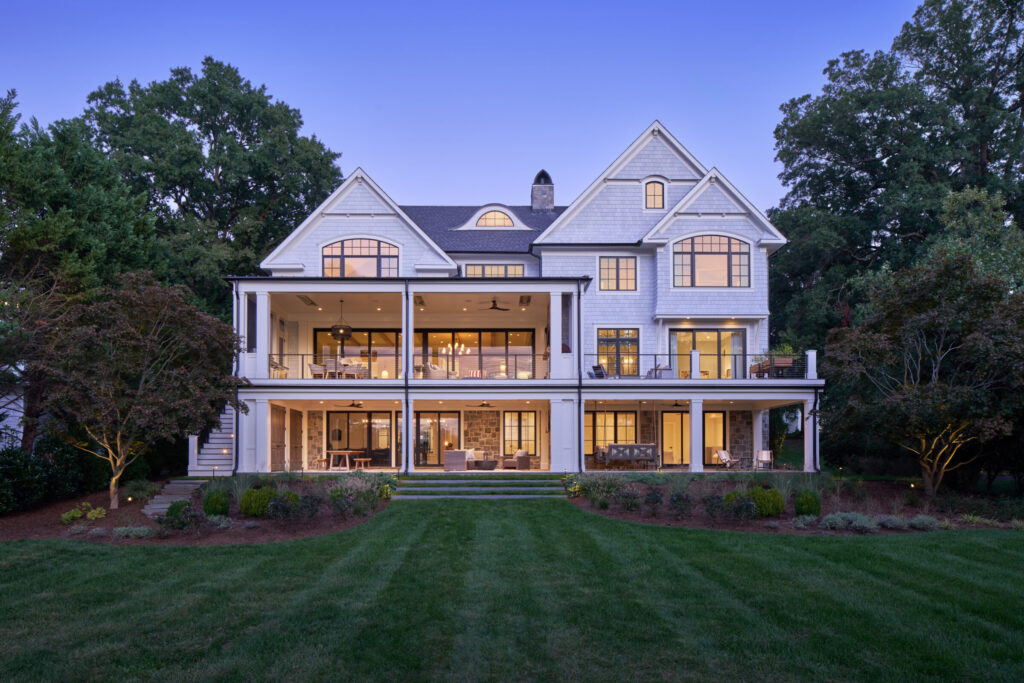
Throughout the Northeast, the cost of building a luxury custom home typically ranges from approximately $800 to more than $2,000 per square foot, depending on the level of craftsmanship, architectural detailing, materials, and construction complexity.
That benchmark provides an important point of reference when deciding whether to renovate or rebuild. If a homeowner’s investment goal falls well below the cost of new construction, a thoughtfully planned renovation is often the logical path. However, this is where expectations and reality frequently diverge.
Many homeowners envision a renovation that transforms nearly every aspect of their home within a budget that realistically supports only a portion of those changes.
One of the most valuable roles an architect plays is helping clients align their vision with their investment. That means prioritizing what matters most, identifying creative design solutions, and finding opportunities that deliver the greatest impact without unnecessary expense. Sometimes that means refining the scope of work. Other times it means recognizing that the investment must evolve to achieve the desired outcome. Thoughtful planning early in the design process almost always prevents costly surprises during construction.
2. Evaluate the Existing Home—Not Just Its Appearance
The second consideration is the house itself.
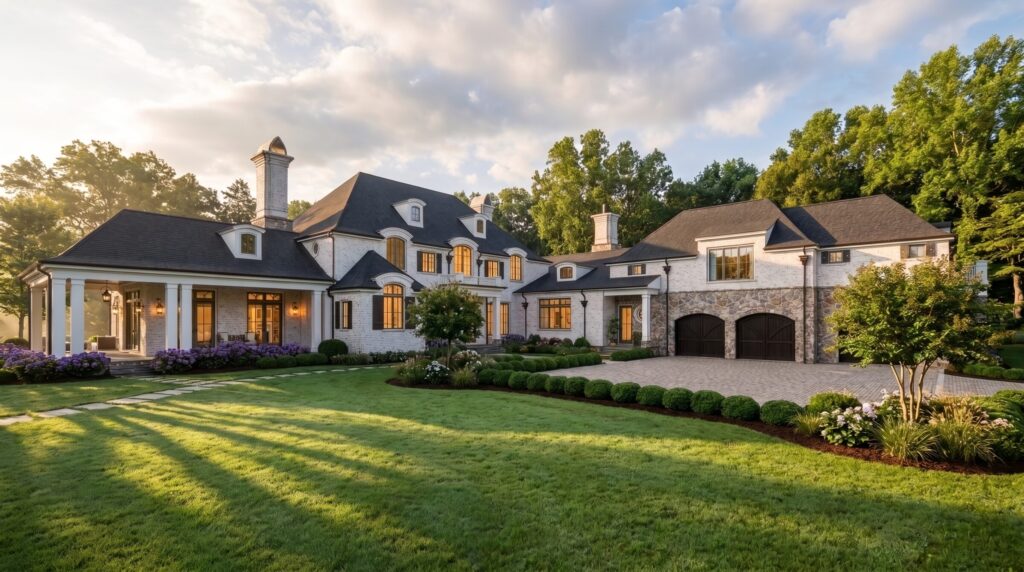
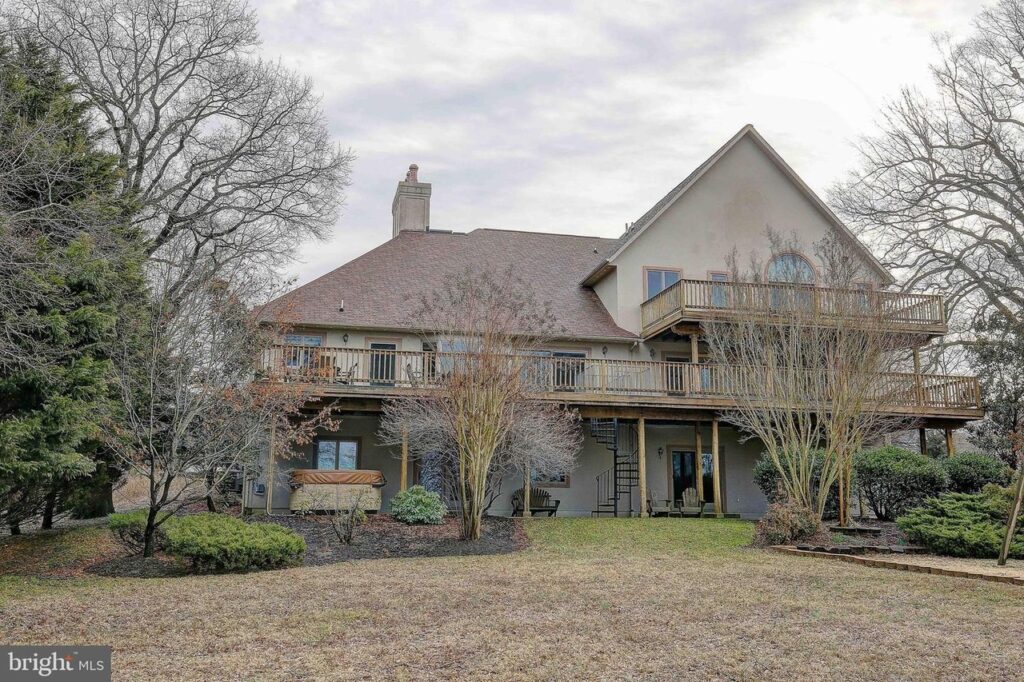
Older homes often possess remarkable architectural character, but they can also conceal decades of structural, mechanical, and functional challenges. A home built in the 1920s, for example, may rest on pier foundations, contain outdated framing methods, or have floor plans that no longer support the way today’s families live and entertain.
As a renovation becomes more extensive—requiring structural reinforcement, relocating plumbing and mechanical systems, updating electrical infrastructure, and rebuilding significant portions of the home—the economics begin to shift. At a certain point, a tear-down and rebuild can actually become the more efficient and cost-effective solution.
There comes a point where reconstructing walls is simpler than repeatedly cutting, patching, and reinforcing existing ones. When nearly every wall requires intervention, the project has often evolved into a new home constrained by an aging shell. Unless a homeowner has a deep appreciation for preserving the historical fabric of the house, rebuilding may ultimately provide greater value, better performance, and significantly more design flexibility.
3. Consider How You Really Want to Live
The final test is one I often conduct while simply walking through a home with my clients. I begin asking a series of questions:
- Is nearly every room changing function?
- Are most of the windows moving?
- Is the staircase being relocated?
- Are the majority of plumbing fixtures changing locations?
- Are you comfortable with the existing 8-foot ceiling heights?
When the answer to most—or all—of these questions is yes, the renovation has effectively become a new home wrapped inside an old shell. At that point, rebuilding often provides:
- Greater architectural freedom
- Better structural performance
- Improved energy efficiency
- More opportunities for natural light
- Better indoor-outdoor connections
- A floor plan designed specifically for today’s lifestyle
- Greater long-term value
Perhaps most surprisingly, it can also become the more economical path.
Historic Homes Require a Different Conversation
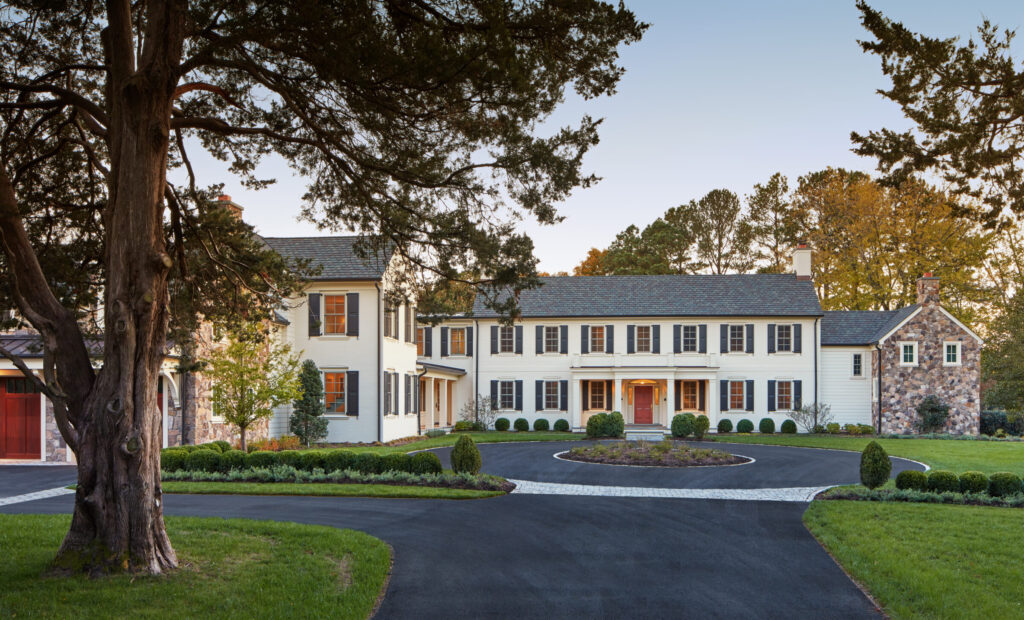
Historic homes deserve their own category. Having personally restored and lived in a home listed on the National Register of Historic Places, I understand firsthand that historic restoration often exceeds the cost of building a new custom home.
The motivation is rarely financial.
Instead, it comes from a passion for preserving history, craftsmanship, and architectural legacy. In some situations, historic tax credits and preservation incentives can help offset a portion of the investment, but these projects should always be approached with realistic expectations.
Renovate or Rebuild? There’s No Universal Answer
Every home—and every family—is different. The right decision depends on your property, your lifestyle, your long-term goals, and the experience you want your home to provide. Sometimes a carefully planned renovation allows homeowners to preserve the character they love while modernizing the spaces they use every day. Other times, designing a completely new custom home creates opportunities that simply cannot be achieved within the limitations of an existing structure.
Neither approach is inherently better. The best solution is the one that creates a home that supports the way you want to live while making a thoughtful long-term investment in your property.
At Purple Cherry Architecture & Interiors, every project begins by understanding those goals before determining whether a luxury home renovation or a completely new custom home is the right path forward. Because whether we are preserving a home’s history or designing something entirely new, our purpose remains the same: creating homes that are timeless, functional, deeply personal, and beautifully tailored to the families who live in them.