Small Design Decisions That Create Big Impact

By Cathy Purple Cherry, AIA, LEED AP
Founding Principal, Purple Cherry Architecture & Interiors
When people think about luxury home design, they often imagine grand gestures—a sweeping staircase, a dramatic vaulted ceiling, or an elegant chandelier that immediately captures your attention. Those elements certainly create memorable first impressions.
But after decades of designing custom homes, I’ve learned that it is often the smaller architectural and interior design decisions that homeowners appreciate the most. These thoughtful details quietly improve the way a home functions, enhance everyday living, and create a sense of craftsmanship that never goes out of style.
The beauty of these design elements is that many can be incorporated into both new custom homes and luxury home renovations. Individually, each decision may seem modest. Together, they create homes that feel more refined, more intentional, and ultimately more timeless.
The Dutch Door: Practical, Charming, and Timeless
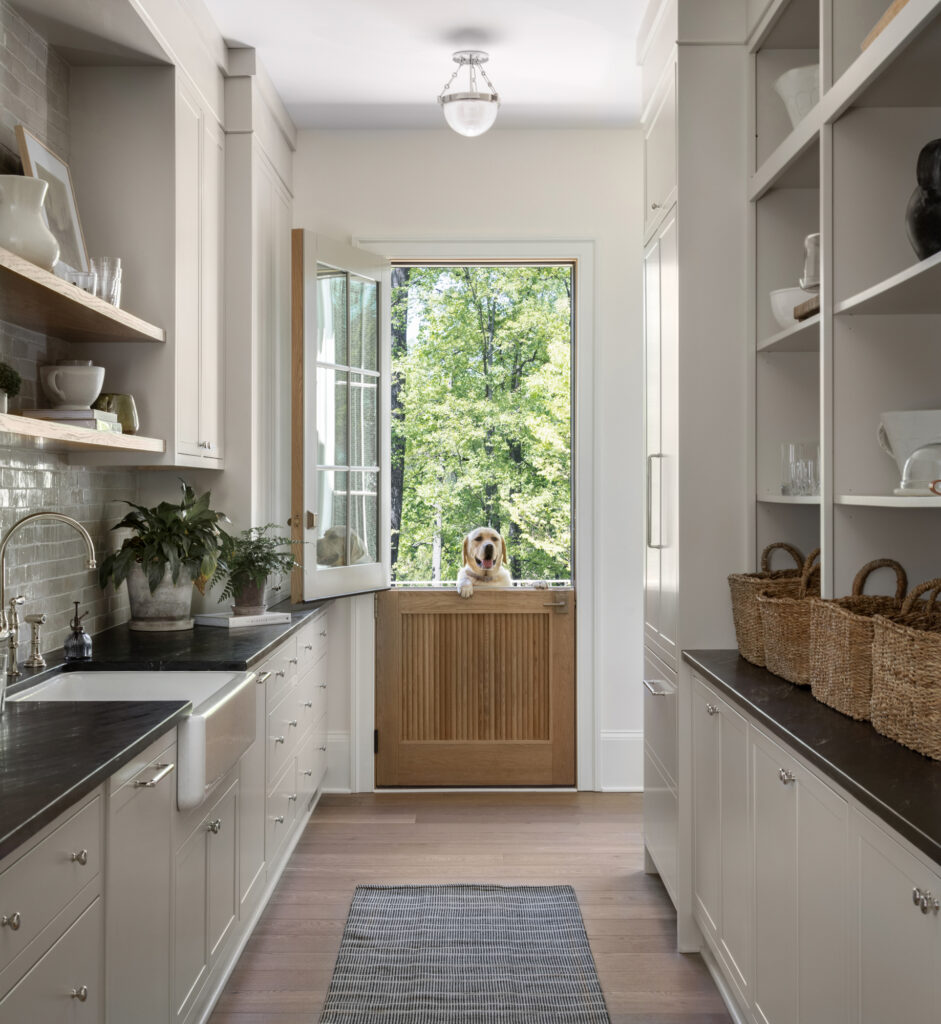
The Dutch door is one of those architectural features that has remained relevant for centuries because it is equally practical and beautiful.
Originally popularized in Holland and the earliest American colonies, Dutch doors allowed fresh air and natural light into the home while keeping children, pets, and livestock safely separated.
Today, we often incorporate Dutch doors into luxury homes at mudrooms, laundry rooms, pool houses, or secondary entrances where homeowners want visual connection without unrestricted access. They also present wonderful opportunities to introduce personality through bold paint colors, reclaimed wood, rustic finishes, or elegant fluted detailing.
Bring More Natural Light Inside
Natural light remains one of the most valuable features in residential architecture. Many front entries include sidelights—vertical glass panels positioned beside the front door—to brighten the foyer.
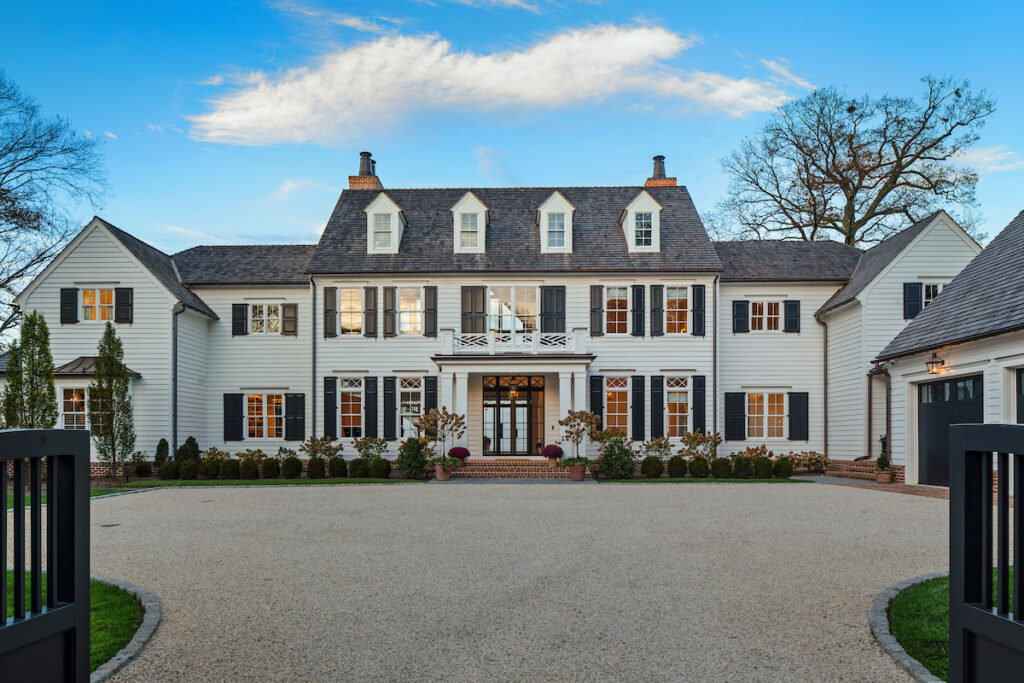
One design detail I particularly enjoy is extending those sidelights by adding an additional panel to each side. Double sidelights dramatically increase daylight, strengthen the connection between indoors and outdoors, and make the entry feel more open and welcoming without changing the home’s footprint.
Add Texture to Create Depth
Luxury interiors are rarely defined by color alone.
Texture adds richness, warmth, and visual depth that paint simply cannot achieve.
Whether through beadboard, wood paneling, decorative molding, wallpaper, natural stone, or handcrafted tile, textured surfaces create layers that make a room feel more intimate while adding architectural character.
It’s a subtle design decision that often has an outsized impact.
Deep Cased Openings Add Architectural Presence
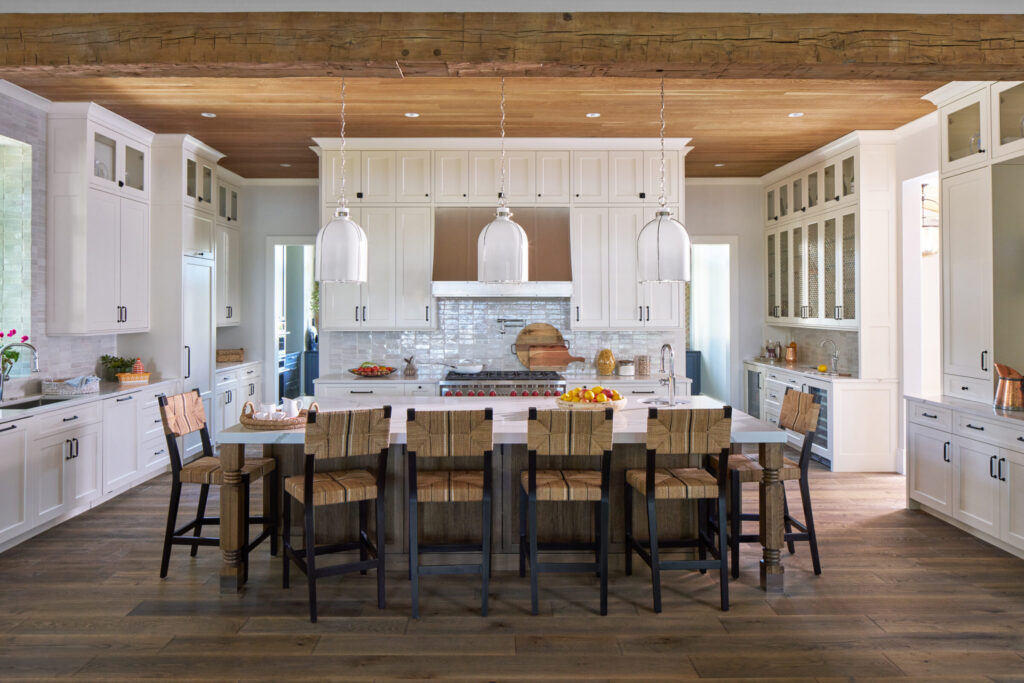
A cased opening connects two rooms without the use of a door, helping spaces flow naturally while maintaining architectural definition.
Although cased openings come in many sizes, increasing their depth creates an entirely different experience.
Deeper openings emphasize wall thickness, frame important views between rooms, and provide opportunities to introduce custom millwork or paneling that elevates the home’s craftsmanship.
These details are often what distinguish a truly custom home from a builder-grade residence.
Why Architects Love Casement Windows
When clients ask how to maximize beautiful views, one of my favorite recommendations is the casement window.
Unlike double-hung windows, casement windows eliminate the horizontal sash that interrupts the view, allowing for larger uninterrupted sightlines and increased natural light.
Because they crank outward, they’re also much easier to operate above kitchen counters, bathroom vanities, or built-in furniture where lifting a traditional window would be inconvenient.
They’re a wonderful example of beauty and functionality working together.
A Softer Approach to Dark Windows
Dark window frames have become increasingly popular in luxury residential architecture because they create striking contrast and naturally draw the eye.
However, not every home benefits from fully dark window frames.
A more understated approach is painting only the window muntins—the vertical and horizontal grid elements—a darker color while keeping the primary frame light.
The result is elegant contrast that enhances the architecture without overpowering the surrounding interior palette.
The Shower Niche: Small Detail, Big Luxury
Few bathroom features improve everyday living more than a thoughtfully designed recessed shower niche.
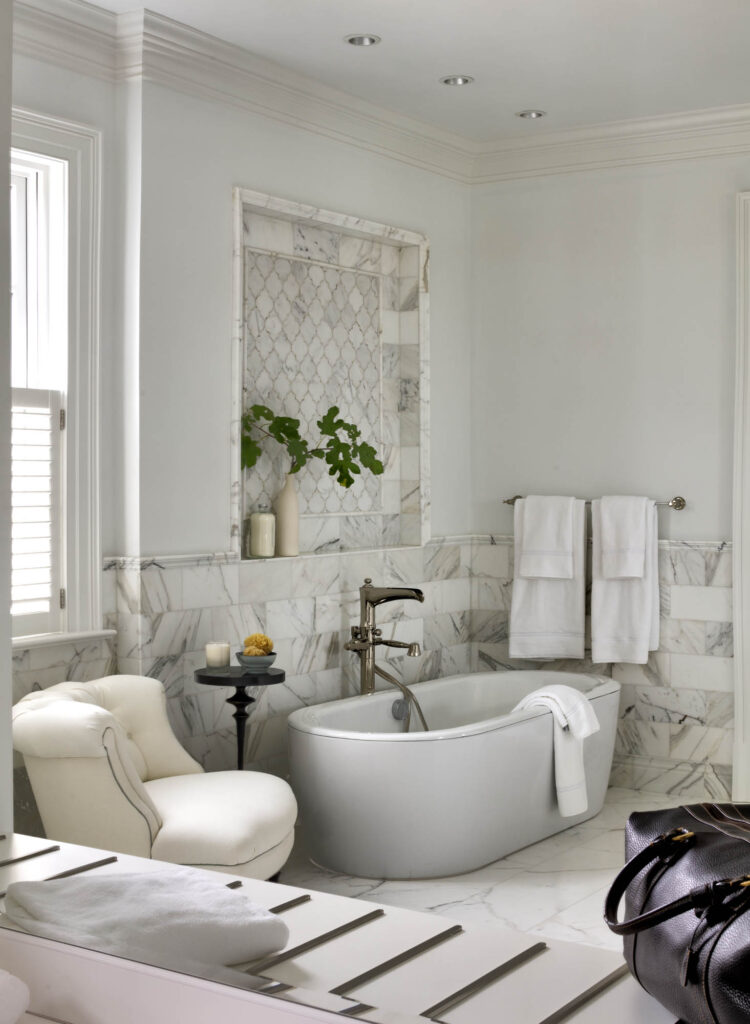
Instead of relying on hanging caddies or bulky corner shelves, a recessed niche keeps toiletries organized while maintaining clean sightlines throughout the shower.
Although it’s a relatively small design decision, it contributes significantly to creating the spa-like atmosphere many homeowners desire in a luxury primary bathroom.
The Power of a Monochromatic Color Palette
One of my favorite interior design techniques is using a monochromatic paint palette in secondary spaces such as powder rooms, home offices, laundry rooms, and mudrooms.
Painting walls, trim, and even ceilings the same color creates an enveloping experience that feels warm, intimate, and sophisticated.
To keep the room visually interesting, vary the sheen rather than the color.
I often recommend:
- Matte or flat paint on walls
- Satin or semi-gloss on trim
- Higher-gloss paint on the ceiling to softly reflect natural light
The result is layered and elegant without introducing additional colors.
Pocket Doors Create More Usable Space
Every square foot matters.
Traditional swinging doors require clearance that can limit furniture placement and reduce usable wall space.
Pocket doors slide neatly into the wall, making them ideal for bathrooms, laundry rooms, home offices, closets, and other compact spaces.
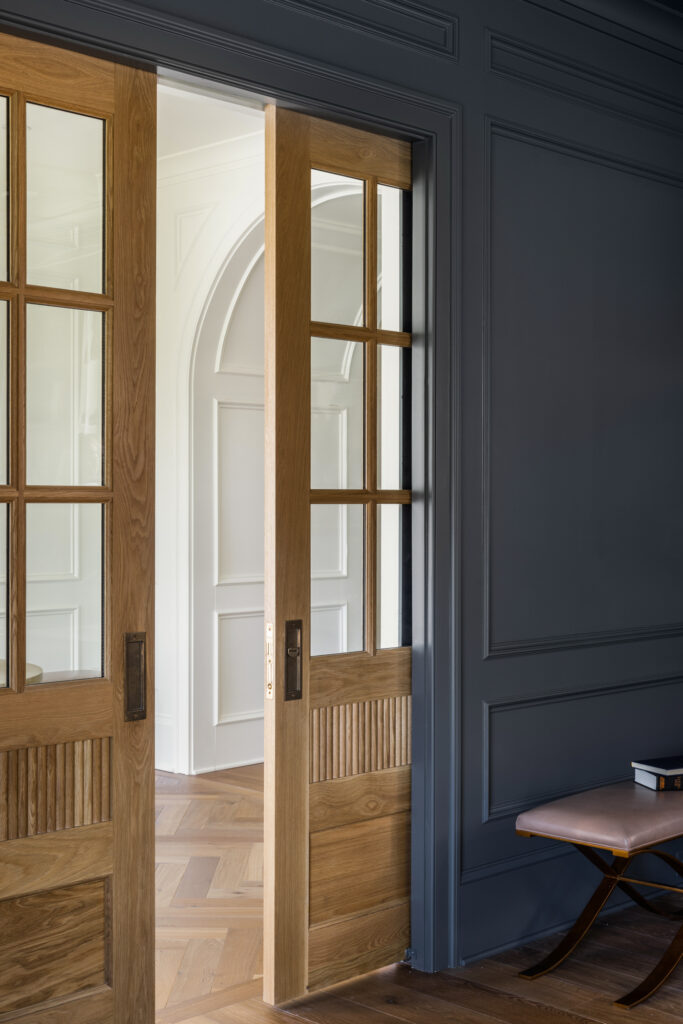
Beyond their practical benefits, pocket doors improve circulation and create greater flexibility between adjoining rooms—particularly in homes designed for modern living.
Thoughtful Details Create Timeless Homes
One of the greatest misconceptions about luxury home design is that it depends entirely on grand architectural gestures. In reality, the homes that stand the test of time are often defined by hundreds of thoughtful decisions that work together seamlessly.
A deeper doorway. A better window. More natural light. Carefully considered paint palette.
These details may seem small on their own, but collectively they shape how a home looks, functions, and feels every single day.
Whether you’re planning a custom home, embarking on a luxury renovation, or simply looking for ways to elevate your existing home, thoughtful architectural details often deliver the greatest long-term value.
As Vincent van Gogh famously observed,
“Great things are done by a series of small things brought together.”
That sentiment perfectly captures the essence of timeless residential design.