Designing a Home for a Lifetime: A New Approach to Aging in Place
When we talk about aging in place, the conversation often centers around accessibility: wider doorways, fewer stairs, first-floor living, and other accommodations that allow someone to remain comfortably in their home as they grow older. While these considerations are important, we believe designing a home for longevity goes much further.
A truly timeless home should be able to evolve alongside the people who live within it.
For our clients, that can mean designing a residence that accommodates young children today, welcomes adult children home decades from now, supports aging parents, prioritizes health and wellness, and ultimately allows the homeowners themselves to age comfortably in place. It is not simply about designing for later in life. It is about considering how a family may live in a home for the next 30, 40, or even 50 years.
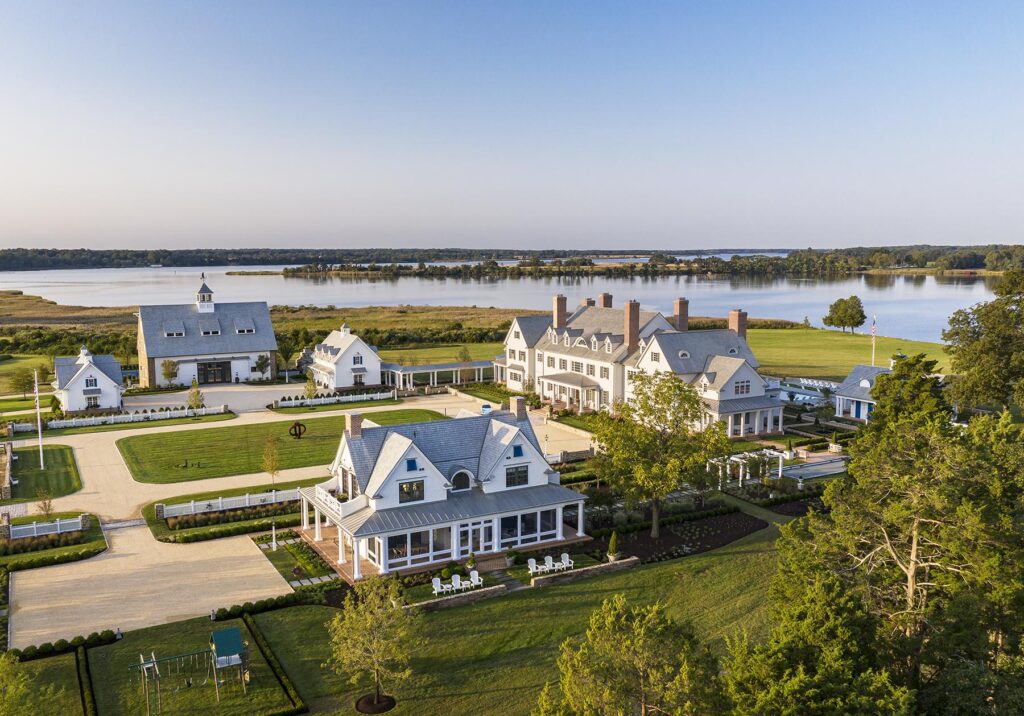
Functional Floor Plans Designed for Every Stage of Life
One of the most important aspects of luxury aging-in-place design is creating a functional plan that supports accessibility. We consider how spaces, circulation, entrances, bathrooms, and everyday functions may need to adapt over time. Our role as architects and interior designers is then to solve those needs beautifully. Accessibility should feel inherent to the architecture rather than something that has been added later.
A first-floor primary suite, generous circulation, an elevator, minimal thresholds, thoughtful lighting, appropriately designed bathrooms, and seamless indoor-outdoor transitions can all make a home easier to navigate as its owners age. When these elements are incorporated from the beginning of the architectural design process, they simply feel like part of a comfortable, gracious home.
The Rise of Multigenerational Living
Multigenerational home design is increasingly becoming part of conversations with our clients, both for full-time and part-time living. In some families, aging parents may eventually join the household. In others, homeowners want their grown children and grandchildren to have a place to return to for extended visits.
There is another circumstance that is particularly important: families with adult children who may not be able to live independently. For these families, thoughtful residential design can provide a grown child with a sense of independence and privacy while maintaining proximity to the family. A private suite, apartment, guesthouse, or connected living space can create autonomy without isolation.
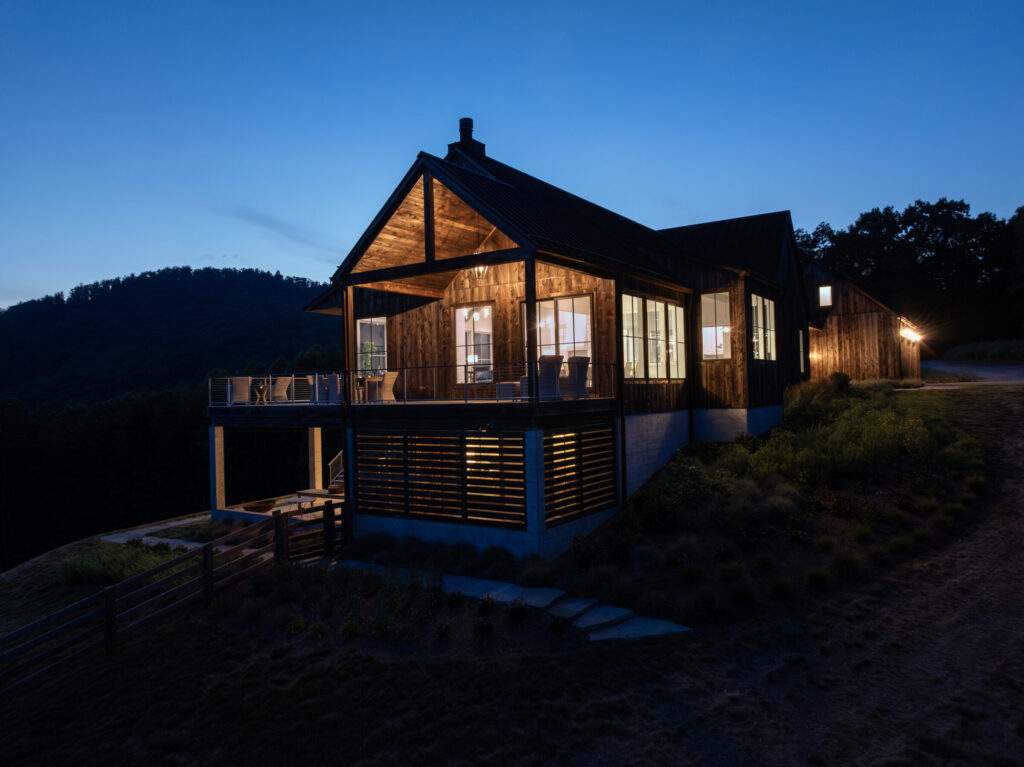
Designing these spaces from the outset allows them to feel intentional and integrated into the architecture of the home rather than like an accommodation made later.
Designing Differently for Every Stage of Family Life
A home intended to serve a family for 50 years requires us to think far beyond the client’s needs at the moment we begin designing it. And there is no single definition of a “forever home.” Designing a long-term home for a couple raising young children is very different from designing one for clients whose children are already adults.
A young family may need to consider how nurseries become bedrooms, how children’s spaces evolve as they become teenagers, and eventually how the home functions once those children leave—and potentially return with families of their own.
Clients with grown children may instead be thinking about creating private guest suites for extended family visits, comfortable gathering spaces for holidays, accommodations for grandchildren, or separate spaces that allow multiple generations to spend significant time together without sacrificing privacy.
Good residential architecture anticipates these transitions rather than designing exclusively around a single moment in a family’s life.
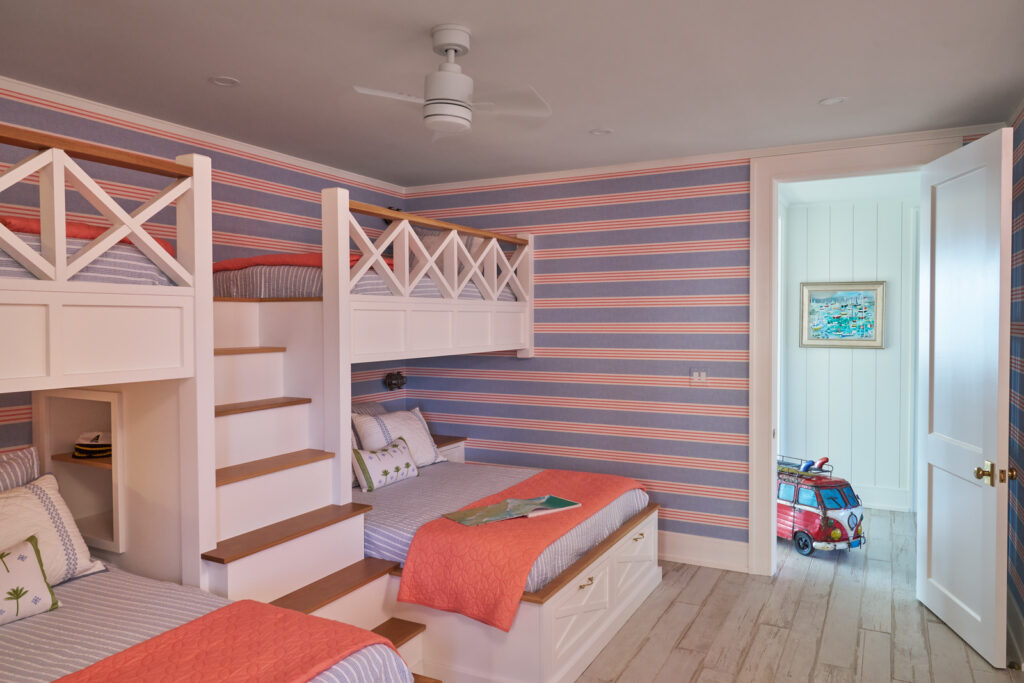
What Does It Mean to Design a Forever Home?
A forever home should not simply accommodate aging. It should accommodate change.
Children grow up. Adult children return. Parents age. Careers evolve. Mobility changes. Families expand. Priorities shift.
The role of thoughtful architecture is to anticipate as many of those changes as possible without allowing them to dictate the beauty of the home. At Purple Cherry Architecture & Interiors, we believe successful aging-in-place and multigenerational home design begins with understanding not only how our clients live today, but how they may want to live decades from now.