Simplicity in Design: Creating Calm Through Thoughtful Residential Architecture
Simple is rarely easy. There is almost always an underlying effort required to create architectural designs that feel understated, peaceful, and effortless. Ironically, the greatest successes in residential architecture are often the ones that go unnoticed. The quiet decisions—the careful proportions, thoughtful alignments, and intentional restraint—are what allow a home to simply feel right.
Designing with simplicity is the active pursuit of creating calmness within a home’s organization, functionality, and emotional experience. It is not about removing complexity for the sake of minimalism. Rather, it is about creating balance—a balance that feels natural rather than rigid, expressive rather than restrained, and timeless rather than trend-driven.
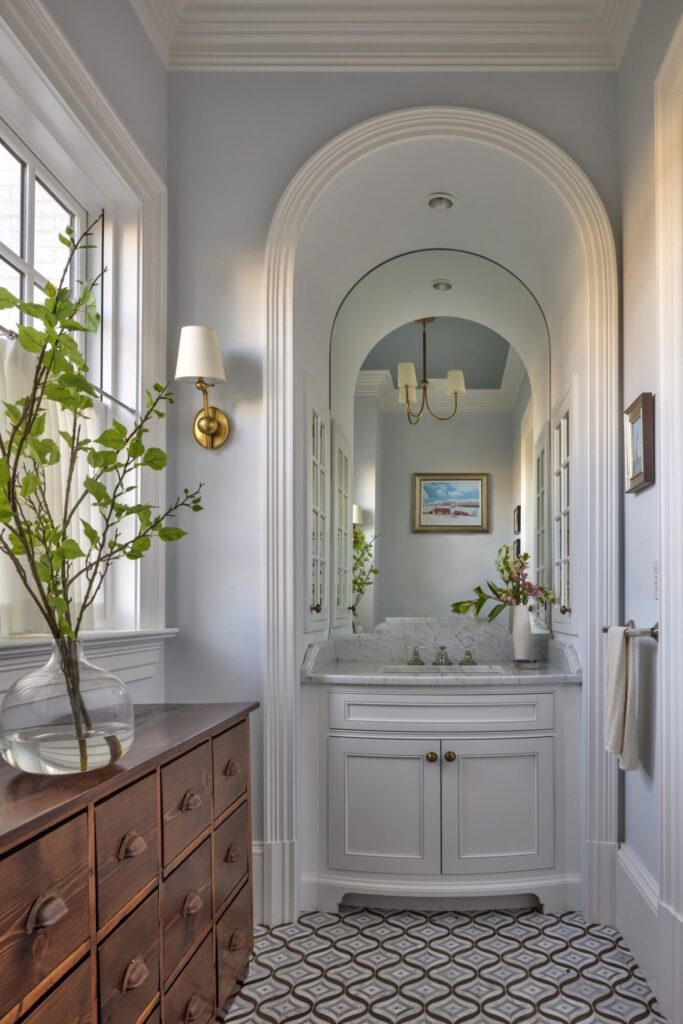
In luxury custom home design, simplicity is rarely defined by a particular architectural style. Whether designing a traditional estate, a coastal retreat, a mountain residence, or a contemporary home, simplicity is always contextual. It is centered on clarity, cohesion, and the thoughtful relationship between architecture, interior design, and the surrounding landscape.
Creating that sense of calm requires many different design strategies. Sometimes it is found through symmetry. Other times it comes from repetition, rhythm, or the intentional breaking of a pattern to create emphasis. Simplicity does not necessarily mean unadorned or absent of detail, nor does it suggest excessive ornamentation.
It is not purely about form, nor purely about function. The most successful homes balance both, allowing every architectural decision to contribute to a unified experience.
It all sounds very serious—and to us, it is. But designing in these terms is equally enjoyable because it asks us to question every move we make. Burrowing down to uncover the true essence of a space, a family’s lifestyle, or an architectural idea is one of the most rewarding parts of the design process. There is something deeply satisfying about editing away distractions until what remains feels honest, intentional, and lasting.
So how do we create homes that achieve calmness through balance?
It begins with the land.
One of the first and most important decisions in custom residential architecture is identifying the right homesite on a property. More often than not, the defining factor is the view. We place tremendous importance on site planning because a home’s relationship to its landscape shapes how we experience architecture every single day.
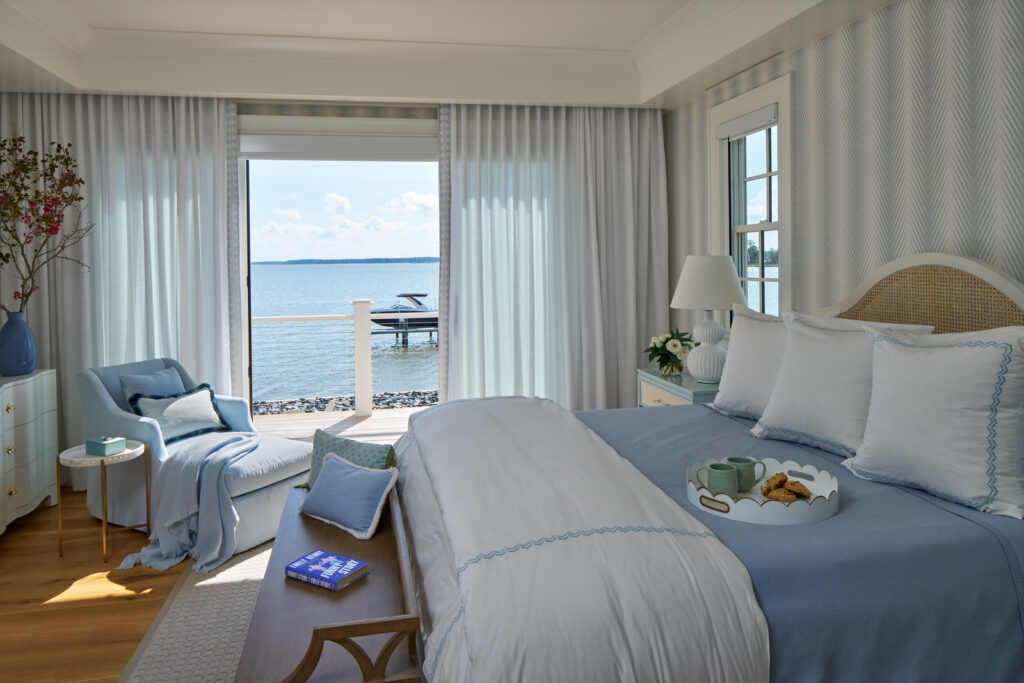
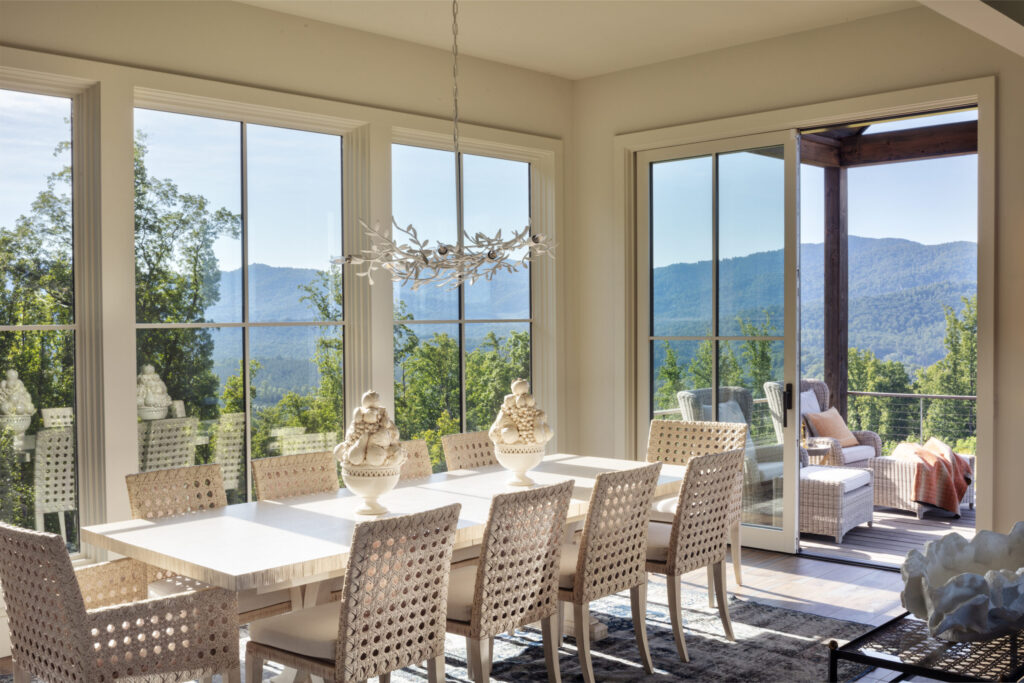
Whether overlooking the waterfront, rolling farmland, dense woodland, or distant mountains, a thoughtfully sited home strengthens our connection to place. It changes the way we arrive home, the way we move through our surroundings, and the way we experience the changing light, weather, and seasons. It creates moments of excitement as we return, curiosity as we explore, and comfort as we settle in.
Those experiences matter.
Architecture has the ability to deepen our appreciation for the natural world while simultaneously offering refuge from it. In many ways, this reflects the principles of biophilic design—the idea that meaningful connections between people and nature contribute to well-being, comfort, and a greater sense of belonging.
Life presents us with an endless spectrum of emotions, experiences, and responsibilities. It can often feel wonderfully chaotic. As architects, our purpose is to help create places that bring clarity to that complexity—to discover the calm within the storm.
Ironically, sometimes embracing the storm itself becomes part of the answer.
It may be watching weather roll across the water from a covered porch. It may be enjoying morning coffee as the sun rises over the mountains. It may simply be watching children or grandchildren run through an open meadow after an afternoon of play.
Whatever form those moments take, we believe the orientation of our homes often helps us rediscover our own sense of orientation. Sometimes architecture simply reminds us where we are—and where we want to be.
Alongside this emotional pursuit is one rooted in logic.
Architects naturally search for order. We seek clean lines, thoughtful sequences, and meaningful relationships between spaces. We carefully study how rooms connect to one another, how circulation unfolds, and how each transition contributes to the overall experience of a home.
We continually refine those spaces, searching for balanced proportions, centered compositions, rhythmic spacing, and carefully positioned openings that frame views and invite natural light deep into the home. Every adjustment—whether conceptual, such as the proportions of architectural volumes, or highly detailed, such as the placement of windows and doors on a façade—contributes to the larger composition.
The highest compliment we ever receive is wonderfully simple:
“This just feels right.”
That response tells us the architecture is doing exactly what it should. It feels intuitive rather than forced. Comfortable rather than complicated.
The final expression of simplicity comes through the thoughtful selection of materials and finishes.
The most successful homes present a unified architectural story, one that flows seamlessly from the exterior to the interior. When a home’s architectural character changes abruptly upon entering, the experience can feel disconnected. Instead, we strive to create continuity through carefully coordinated materials, colors, textures, proportions, and forms.
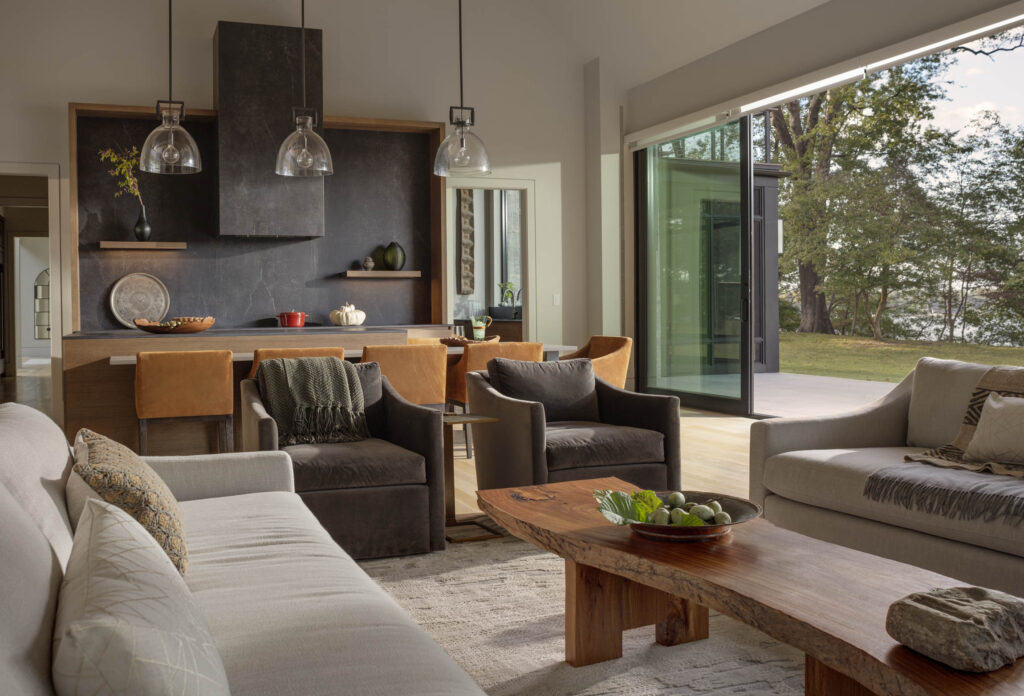
This holistic approach allows architecture and interior design to support one another, reinforcing the home’s identity at every step—from the first glimpse down the drive, to approaching the front door, to experiencing each interior space beyond.
Ultimately, simplicity in design is not about creating less.
It is about creating greater clarity.
By connecting thoughtful site planning, intentional architecture, carefully proportioned spaces, natural light, meaningful views, timeless materials, and cohesive interior design, we create homes that become more than beautiful places to live. They become places that restore us.
Places that offer respite from busy lives.
Places we look forward to returning to.
Places that quietly invite us to pause, take a deep breath, and simply say…
“Ahhhhh.”
About the Author
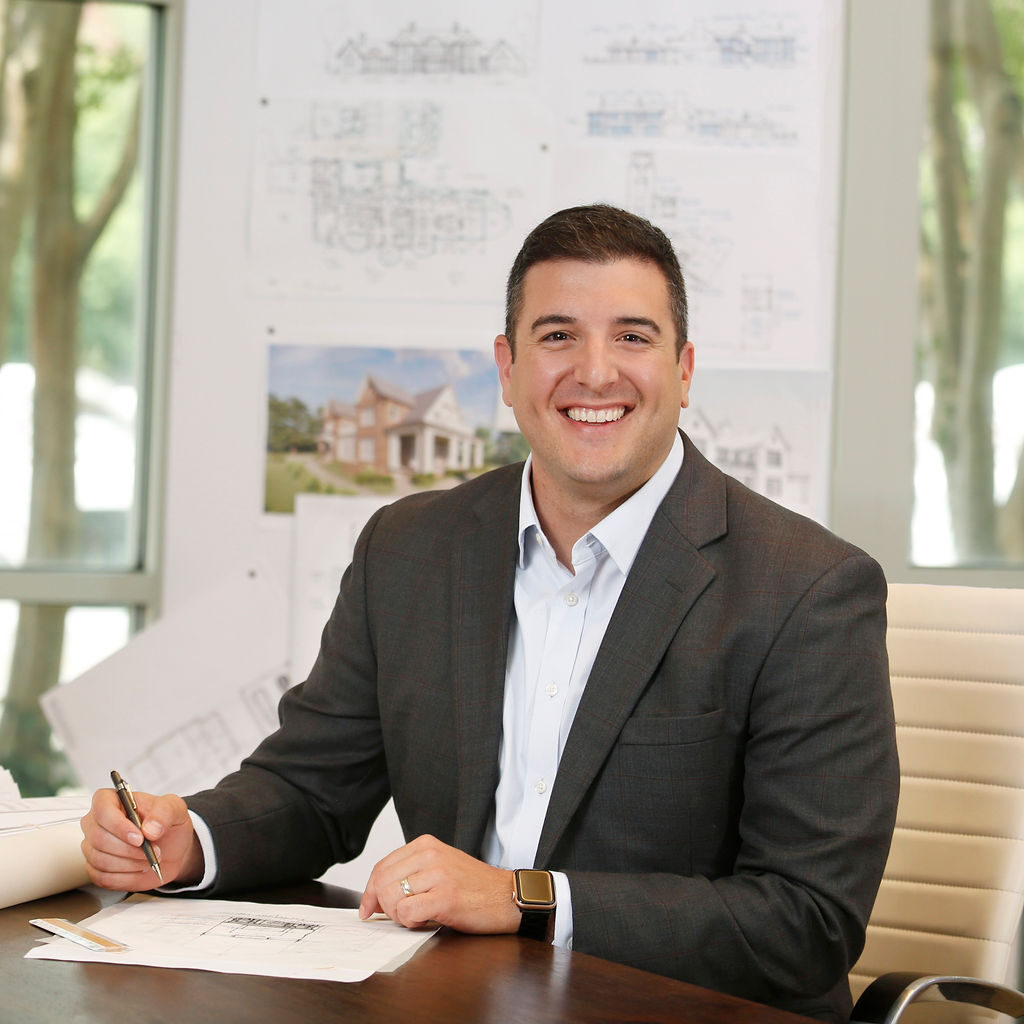
Carmine Cafiero, Associate, AIA, NCARB, WELL AP
Carmine Cafiero believes that exceptional residential architecture begins with listening. Every successful custom home is the product of thoughtful collaboration, clear communication, and a deep understanding of how each client wants to live.
Drawing on his education from the University of Virginia School of Architecture and Virginia Tech School of Architecture + Design, Carmine combines traditional architectural principles with expertise in hand sketching, virtual reality visualization, Building Information Modeling (BIM), and wellness-focused design. His multidisciplinary approach transforms each client’s vision into thoughtfully crafted homes supported by comprehensive construction documentation and a timeless architectural foundation.